Summer Nights in South Georgia: Dirt Roads, Bonfires, and Shooting Stars
Key Takeaways
- The Perseids peak this week — the nights of August 11–12 and 12–13, best after midnight. 2026 is a new-moon year, the best viewing conditions in years.
- A South Georgia summer night runs about 72°F — warm, loud with crickets and cicadas, and still the best free entertainment in the county.
- Small recreational bonfires don't need a permit in Georgia, but check the day's burn conditions before you strike a match.
- Nearly 80% of North Americans can't see the Milky Way from where they live. Out here, we still can — that's not nothing.
Somewhere between the last day of school and the first Friday night kickoff, there's a season inside the season down here. It doesn't have a name. It's just what happens when the sun finally quits around nine o'clock and the day lets go of its grip — and everybody who spent the afternoon hiding from the heat drifts back outside.
I turned 41 today, and maybe that's why I've been thinking about it. Not the big summers — the vacations, the fireworks. The ordinary Tuesday nights. A tailgate on a dirt road. A fire that somebody's granddaddy would have said was built too big. And that moment when someone hollers "there went one!" and everybody looks up two seconds too late.
What makes a South Georgia summer night different?
Relief, mostly. An August afternoon here is a physical opponent — but after sundown the air drops to a normal low around 72°F, the light goes gold and then purple over the pines, and the county turns comfortable for the first time all day. The night is when South Georgia gives back what the afternoon took.
And it is not quiet. City folks talk about the "silence" of the country; they've clearly never stood in a Lowndes County pasture in August. Cicadas run their saw all evening, crickets take the night shift, bullfrogs work the pond, and a chuck-will's-widow calls its own name somewhere off in the dark. The smell is cut grass and warm pine straw, and if you're lucky, rain coming on a west wind long before you see the cloud.
Honesty requires me to say it: most August nights are warm and thick, not cool. The genuinely cool summer night — the one after a thunderstorm knocks the humidity down and the temperature slides into the 60s — is rare enough that you remember specific ones years later. That's part of what makes it feel like a gift.
Dirt roads and tailgates
Every part of the country has a version of doing nothing with your friends. Ours is a dirt road. If you grew up out here, you know the ritual: somebody's truck, a washboard road the county hasn't graded since spring, and no destination whatsoever. The tailgate comes down and becomes furniture. The headlights become the porch light. The radio plays whatever it plays.
There's an economy to it that I appreciate more now that I run a business and watch gas prices like everybody else: a dirt-road night costs a couple gallons and a bag of ice. The dust on the truck the next morning is the receipt.
The rules never got written down but everybody knows them. You wave at the truck that passes — two fingers off the steering wheel, that's plenty. You close the gate you opened. And you leave the spot the way you found it, because out here the odds are good the landowner knows your daddy.
The bonfire: our front porch in a field
A bonfire is the closest thing a pasture has to a living room, and the rules are simpler than people think: in Georgia, small recreational fires and campfires for warmth or cooking are among the narrow exceptions that don't require a burn permit — that's for debris burning, which is a different animal with its own rules. What a bonfire does require is sense: bare ground or a ring around it, water close by, and somebody sober paying attention.
The one real caveat is the weather. A dry spell can turn a pasture into kindling, so before you light anything, take ten seconds and check conditions on our free Burn Permit & conditions app — and if there's smoke on the horizon that isn't yours, Fire Watcher will tell you whose it is. The fire itself does the rest of the work for you. Nobody checks their phone much around one. Something about it holds people in place, and the conversation goes places a kitchen table never takes it.
Mosquitoes hold the only dissenting vote on all of this. Long sleeves after dusk, spray with actual DEET in it — our bug-bite guide covers what works and what's folklore, and Hogan's Pharmacy, the hometown Valdosta pharmacy that sponsors this site, keeps the real stuff on the shelf.
Why can you still see the stars here?
Because nobody built anything bright enough to steal them. According to the World Atlas of Artificial Night Sky Brightness, published in Science Advances in 2016, nearly 80% of North Americans can no longer see the Milky Way from where they live. Most of the country traded that view away a streetlight at a time.
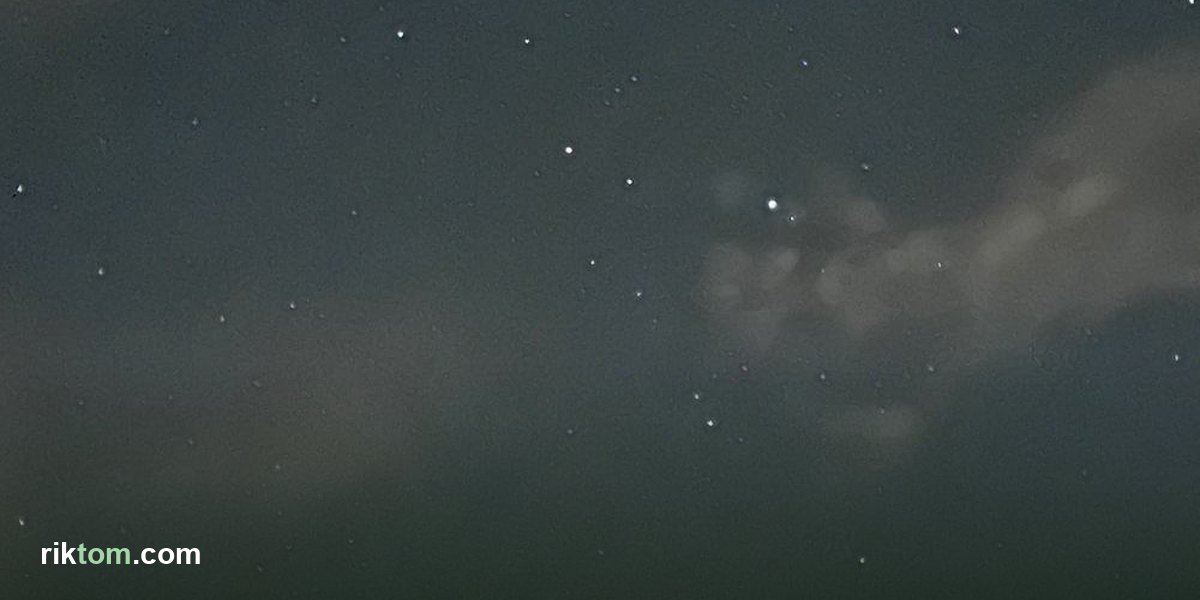
We didn't. Get a few miles off the highways — any field road south of the city, anywhere the pines close in behind you — and the sky still does the thing that makes first-timers go quiet. The Milky Way comes up like smoke across the middle of it. Satellites crawl. And in August, if you're patient, the shooting stars come.
If you want to chase truly dark sky, our South Georgia stargazing guide maps the best spots — Stephen C. Foster State Park down on the Okefenokee is the crown jewel — and our free Night Sky app shows what's overhead on any given night. And keep an eye on the grass line while you're out there: the fireflies that used to be everywhere are having a harder time these days, which is its own story worth reading.
When can you count shooting stars? This week, actually
The Perseid meteor shower — the one responsible for most of the shooting stars anybody around here has ever wished on in August — peaks the nights of August 11–12 and 12–13 this year, with the best rates after midnight into the early morning hours. And 2026 is special: the peak lands on a new moon, which means no moonlight washing out the faint ones. Under a dark rural sky, 50 or more meteors an hour is realistic at the peak — the best conditions this shower has offered in years.
You don't need equipment, and a telescope would actually make it worse — you want the whole sky. NASA meteor scientist Bill Cooke's advice is about as country as science gets: "get in a cot or in a sleeping bag, and lie flat on your back and look straight up." Give your eyes twenty or thirty minutes away from your phone to adjust, and count out loud — it's more fun and settles arguments.
Tuesday and Wednesday night this week, that's the whole plan: a tailgate or a quilt, bug spray, and patience. If the kids fade before midnight, you'll still catch early ones after full dark — but the show belongs to whoever holds out longest.
Passing it down
I've got four kids, twenty-two down to three, which means I've watched two different generations discover the same night. The screens are the obvious enemy and everybody writes that paragraph, so I'll just say this instead: I have never once had to talk a kid into staying at a bonfire. The night sells itself. Our job is just to get them out under it.
It costs nothing, which as a dad I appreciate, and it works on every age. The little ones chase the flashlight beam and fall asleep in a lap. The big ones start out embarrassed and end up arguing about whether that one counted as a shooting star or a satellite. (If it moved slow and steady, it was a satellite. The wish is void.) If you want more free-outside ideas for the family, our Family Fun Finder keeps a running list for Lowndes County and the surrounding area.
Forty-one years of South Georgia summers, and the nights are the part I'd keep if I could only keep one thing. The afternoons you endure. The nights you remember.
Common Questions
When does the Perseid meteor shower peak in 2026?
The nights of August 11–12 and 12–13, best after midnight into the pre-dawn hours. It's a new-moon year — dark skies, 50+ meteors an hour possible from a rural spot.
Do I need a permit for a backyard bonfire in Georgia?
No — small recreational fires and campfires for warmth or cooking are among Georgia's narrow no-permit exceptions. Debris burning is different; see our burn permit guide, and check the day's conditions before lighting anything.
Where's the darkest sky near Valdosta?
Stephen C. Foster State Park, down past Fargo on the edge of the Okefenokee — the best stargazing in South Georgia. But honestly, any pasture a few miles off the highways gets you most of the way there. Details in the stargazing guide.
What time is best for counting shooting stars?
After midnight, and the closer to dawn the better. Let your eyes adjust for 20–30 minutes — no phone screens — and lie flat so you see the whole sky.
The Bottom Line
This week hands you the best version of the oldest free show in South Georgia: new-moon dark, the Perseids at full strength, and nights that finally let up. Find a field, build a sensible fire, put the phones in the truck, and count out loud until somebody falls asleep mid-number.
The dirt road will still be there in the morning. So will the dust on the truck.