South Georgia, USA: A Local Guide to the Outdoors, Wildlife & Things to Do
Key Takeaways
- South Georgia, USA is the southern third of the state of Georgia — not the sub-Antarctic island — anchored by Valdosta, Tifton, Thomasville, Douglas, and Waycross.
- Blackwater rivers like the Withlacoochee, Alapaha, and Suwannee plus the Okefenokee Swamp — the largest blackwater swamp in North America — define the region’s outdoors.
- Fall (October–November) and spring (March–April) are the most comfortable times to visit, with milder temperatures, lower humidity, and fewer bugs.
- Wildfire season runs late winter into spring here, while prescribed fire is a healthy, necessary part of the fire-adapted pinelands.
- In June 2025, The Conservation Fund bought all 7,700 acres of the Twin Pines tract for about $60 million, permanently ending the mining threat beside the Okefenokee.
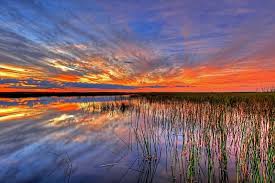
If you live here, you already know: South Georgia is its own world. Tannin-dark rivers slide through cypress and pine, the Okefenokee Swamp stretches to the horizon, the deer rut runs late, the summers are long and loud with insects, and the night sky out in the country is as dark as anywhere east of the Mississippi. This is a local's guide to South Georgia, USA — what it is, what lives here, and what there is to do outdoors across the wiregrass country.
Where Is South Georgia, USA?
South Georgia is the broad, flat southern portion of the state of Georgia — below the Fall Line and running down to the Florida line. It's a land of pine flatwoods, wiregrass, farmland, and blackwater rivers. Larger towns anchor the region: Valdosta (home to Valdosta State University), Tifton, Thomasville, Moultrie, and Douglas and Waycross — the latter two home to the two campuses of South Georgia State College. Smaller communities like Hahira, Lakeland, Adel, and Nashville dot the countryside in between.
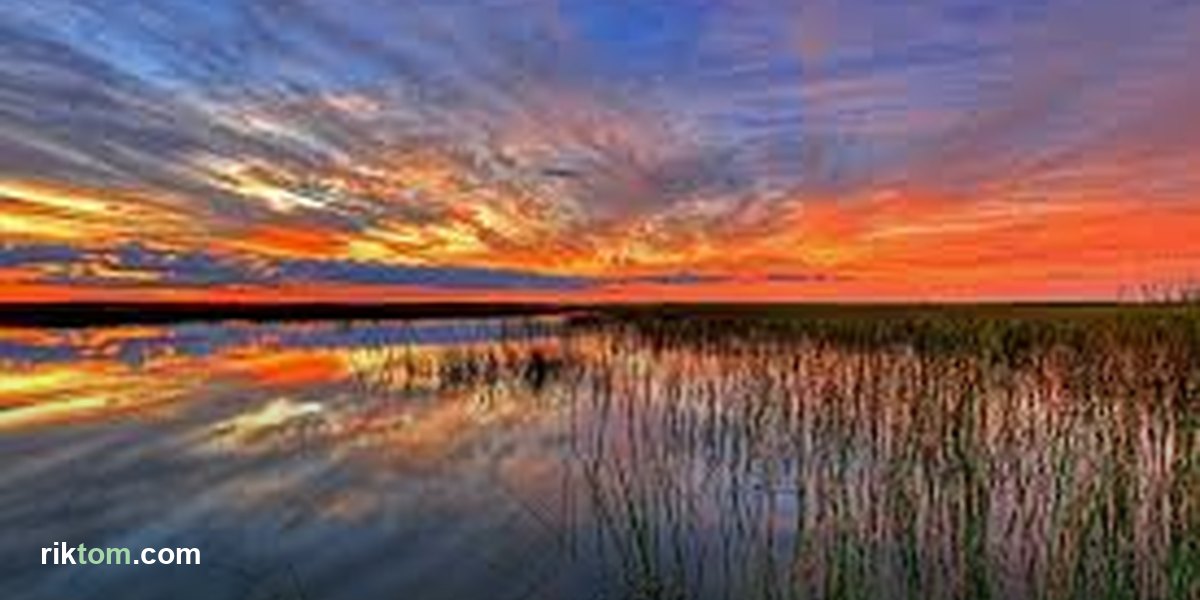
The land itself is organized around water. The Withlacoochee, Alapaha, Suwannee, Flint, and Ochlockonee rivers thread through the region, and the Okefenokee Swamp — the largest blackwater swamp in North America — sprawls across the southeast corner. It's a landscape built for being outside.
South Georgia Wildlife
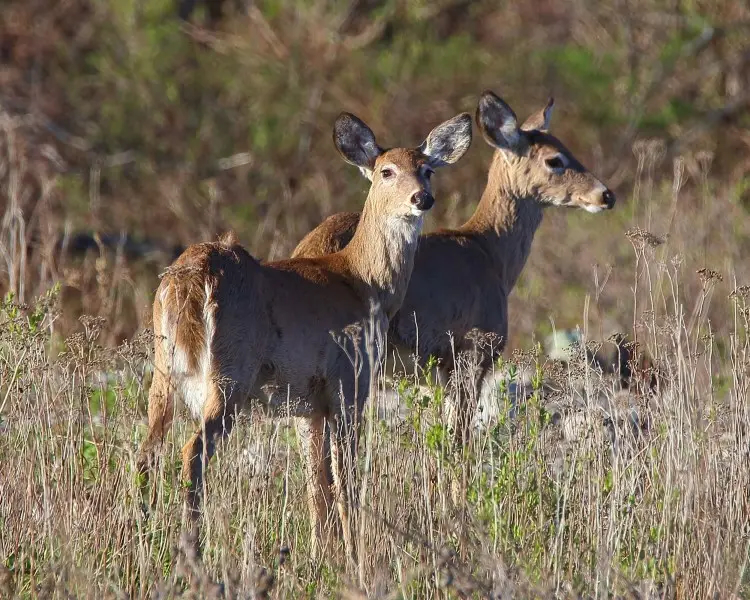
The South Georgia wildlife list is long and genuinely wild. White-tailed deer are everywhere (with one of the latest ruts in the country), along with wild turkey, bobwhite quail, and fox squirrels. The water belongs to American alligators, which live in nearly every river, pond, and swamp. The sandy uplands are home to the gopher tortoise — Georgia's state reptile and a keystone species whose burrows shelter hundreds of other animals. Add wading birds, sandhill cranes passing through, the occasional black bear near the Okefenokee, and a whole cast of snakes, frogs, and pollinators, and you have one of the most biodiverse corners of the Southeast.
Want to know when the deer and fish are actually moving? That's exactly what we built the Hunt & Fish Forecast and Deer Radar for — and our guide to deer overpopulation explains why a balanced herd matters here.
Hiking & State Parks
South Georgia isn't mountainous, but South Georgia hiking rewards anyone who likes flat trails through wild country. A few favorites:
- Stephen C. Foster State Park — the western gateway into the Okefenokee, with boardwalks, paddling trails, and a designated Dark Sky Park.
- Reed Bingham State Park (near Adel) — lake trails, gopher tortoises, and a famous winter buzzard roost.
- General Coffee State Park (near Douglas) — cypress ponds, a heritage farm, and easy nature trails.
- Grand Bay Wildlife Management Area (near Valdosta) — a long boardwalk out over a cypress blackwater wetland.
- The Okefenokee National Wildlife Refuge — the crown jewel, best seen by canoe or kayak but with boardwalks and overlooks too.
Rivers, Fishing & Paddling
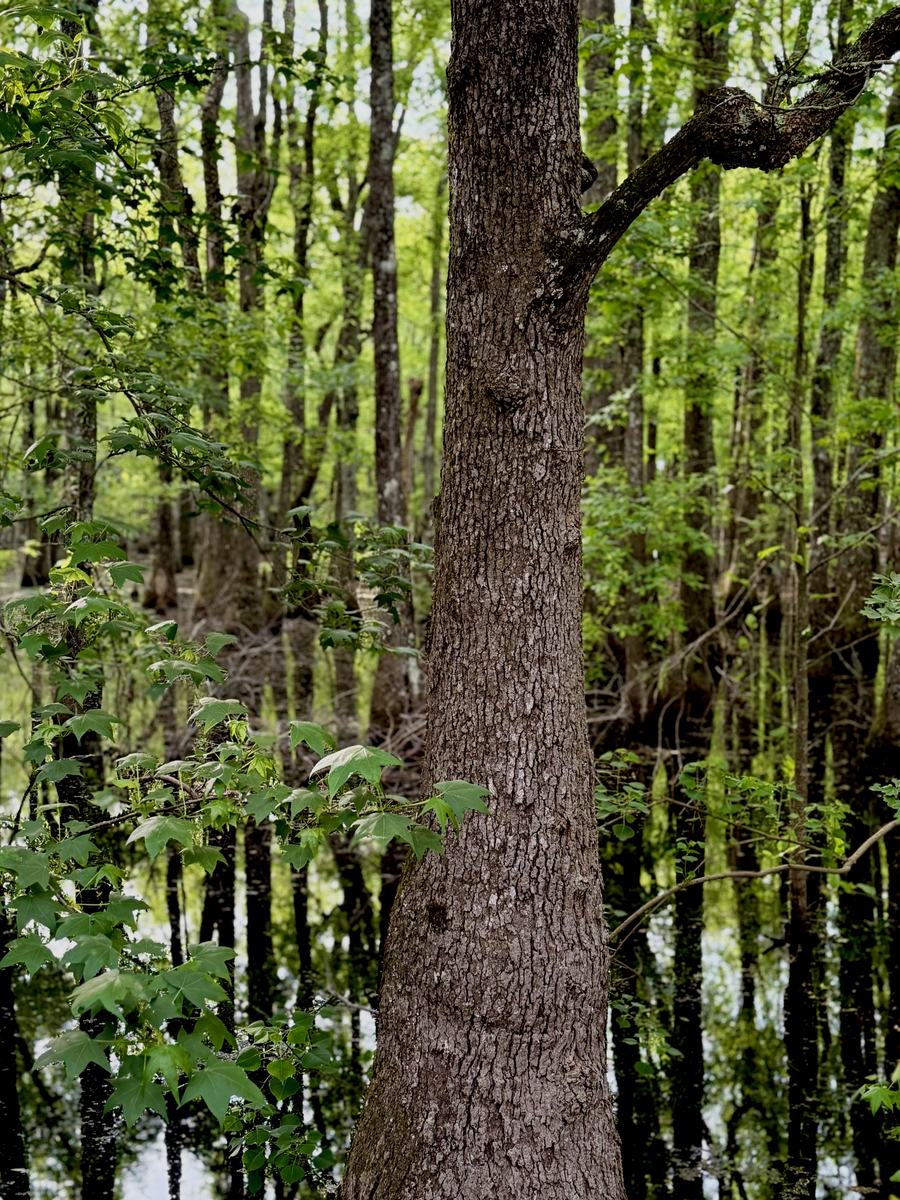
The blackwater rivers are the heart of the region. Their tea-colored water hides drop-offs and current, but on a calm day they're some of the prettiest paddling and fishing anywhere. Anglers chase largemouth bass, bream, crappie, and catfish; paddlers drift past cypress knees and sandbars. Just check conditions first — a storm upstream can change a river overnight. Use RiverWatch for live gauge levels, Ramp Radar to find a put-in, and read our guides to the best fishing spots and how rain affects a river.
South Georgia Weather & the Best Time to Visit
South Georgia has a humid subtropical climate: hot, sticky summers with near-daily afternoon thunderstorms; mild, short winters; and long, pleasant shoulder seasons. If you're planning to visit South Georgia, the best time is generally fall (October–November) or spring (March–April) — comfortable temperatures, lower humidity, and fewer biting bugs. Summer is for early mornings, water, and shade (see our summer safety guide), and you'll want to watch the sky — keep an eye on alerts with Storm Desk. Winter is mild and underrated, with crisp clear nights perfect for stargazing under some of the darkest skies in the eastern United States.
Wildfire Season
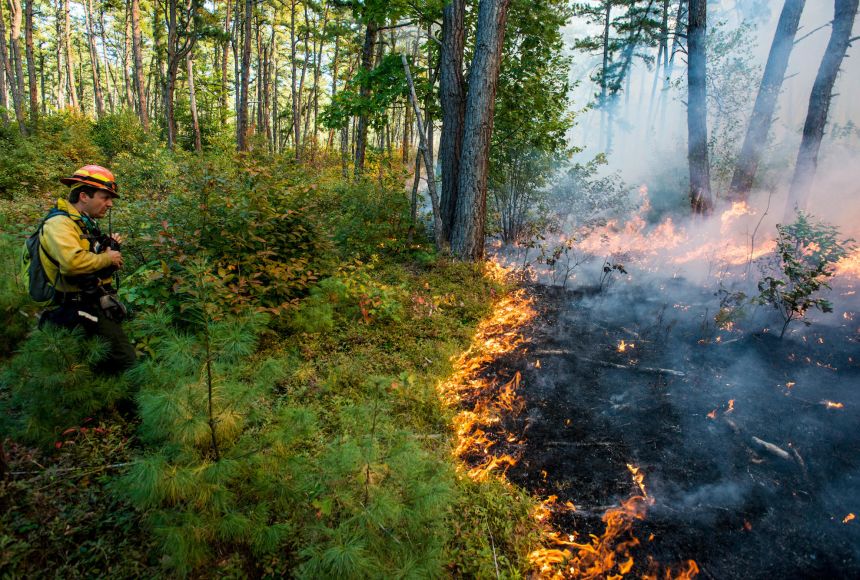
Here's something that surprises newcomers: in South Georgia, wildfire season is late winter and spring — not summer. Driven by dry cold fronts and drought in the Okefenokee, fires in and around the great swamp happen on a regular basis, and big ones have burned hundreds of thousands of acres in years past. At the same time, prescribed (controlled) fire is a healthy and necessary part of these fire-adapted pinelands, keeping the woods open and the wiregrass and longleaf ecosystem alive. If you live or play here, learn the rhythm: check fire danger on Fire Watcher, verify rules before you light up with Burn Permit, and read our guides on wildfire preparedness and weather and fire warnings.
South Georgia Conservation
The biggest South Georgia conservation story of recent years has a happy ending. For years, an Alabama company (Twin Pines) sought to mine titanium-bearing sands on Trail Ridge, right at the edge of the Okefenokee National Wildlife Refuge — a plan scientists warned could dewater the swamp, deepen drought, and raise wildfire risk on surrounding timberland. More than 250,000 people filed comments against it. In June 2025, The Conservation Fund purchased all 7,700 acres of the mining-company land for about $60 million, permanently ending the threat and protecting the swamp. It's a reminder that the longleaf pine, the gopher tortoise, the blackwater rivers, and the Okefenokee itself are here because people choose to protect them — through land protection, prescribed fire, and habitat work across the region.
Things to Do: Planning a Visit
For South Georgia tourism, think outdoors-first. Paddle or boat the Okefenokee. Fish the Withlacoochee or Lake Seminole. Hike a state park boardwalk. Watch for gators and gopher tortoises. Camp under a sky full of stars. Time a trip around the cool, comfortable shoulder seasons, and pair it with the small-town Southern food and hospitality the region is known for. Families can find kid-friendly outings with our Family Fun Finder, and our guide to spending time outdoors with kids has ideas for every season.
Common Questions
Is South Georgia the same as the island near Antarctica?
No. That's a different place — a sub-Antarctic island famous for king penguins, elephant seals, and Shackleton's grave at Grytviken, about 6,500 miles south of here. This guide is about South Georgia, USA: the southern part of the state of Georgia.
Where is South Georgia, USA?
The southern third of the state of Georgia, from below the Fall Line to the Florida line — Valdosta, Tifton, Thomasville, Douglas, Waycross, the Okefenokee Swamp, and the Withlacoochee, Alapaha, Suwannee, and Flint rivers.
What is there to do outdoors in South Georgia?
Fishing and paddling the blackwater rivers, exploring the Okefenokee, hiking state parks, wildlife watching (deer, gators, gopher tortoises, birds), hunting, and stargazing under some of the darkest skies in the eastern U.S.
When is the best time to visit South Georgia?
Fall (October–November) and spring (March–April) are the most comfortable — mild and less humid with fewer bugs. Summers are hot, humid, and stormy; winters are mild. Spring is also fire season, so check conditions before heading into the woods.
The Bottom Line
South Georgia, USA, doesn't have mountains or beaches or penguins — what it has is space, water, wildlife, and some of the wildest swamp and pinelands left in the Southeast. It rewards people who slow down and pay attention: to the river gauge, the fire danger, the rut, the weather, and the quiet places most folks drive right past. That's the whole reason this South Georgia blog and our free local tools exist — to help you get outside here, safely and at the right time.
Start with the Hunt & Fish Forecast, RiverWatch, Fire Watcher, and Storm Desk — and browse the rest of the riktom.com blog for guides to fishing, hunting, weather, wildlife, and family days out across the real South Georgia.