Why Deer Overpopulation Is a Problem: The Hidden Costs of Too Many Deer
Key Takeaways
- Too many deer is bad for the deer themselves — a herd over carrying capacity means smaller bodies, smaller antlers, weaker fawns, and starvation in hard years.
- Overbrowsing strips the forest understory, stops tree regeneration, and squeezes out songbirds, rabbits, turkeys, and native plants.
- Crowding spreads disease faster — Georgia confirmed its first CWD case in Lanier County in early 2025, and the DNR’s CWD Management Area now includes Lowndes County.
- More deer means more deer-vehicle collisions, which spike during the fall rut and at dawn and dusk.
- Regulated hunting — especially doe (antlerless) harvest — is the primary tool for keeping the herd in balance with the habitat.
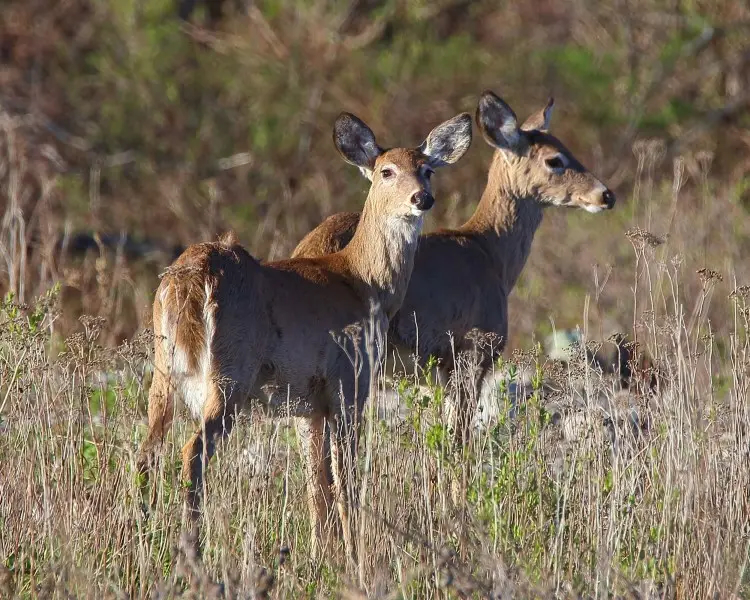
Few sights say "the South Georgia outdoors" like a whitetail stepping out of the pines at dusk. We love our deer — we hunt them, photograph them, and build whole seasons of family tradition around them. So it can sound backwards to say that too many deer is a serious problem. But it is, and it's one of the most misunderstood issues in wildlife management. An overpopulated deer herd is bad for the land, bad for people, and — this is the part that surprises folks — bad for the deer themselves. Here's why, and what actually keeps a herd healthy.
Carrying Capacity: There's Only So Much to Go Around
Every piece of land has a carrying capacity — the number of deer it can feed and shelter in good health, year after year, without the habitat breaking down. Deer are prolific: a healthy doe typically has twins every year, and with few natural predators left in our region, a herd can blow past carrying capacity quickly. When that happens, the population doesn't politely level off. It overshoots, damages the very habitat that feeds it, and then crashes the hard way — through starvation and disease. A "lot of deer" is not the same as a healthy deer herd. Often it's the opposite.
1. It Wrecks the Forest — and Everything That Lives There
Deer are browsers, and a hungry overpopulated herd eats the forest from the ground up. Walk into woods with too many deer and you'll see a tell-tale "browse line": everything green and edible is stripped away as high as a deer can reach, leaving a bare, park-like understory. That understory isn't just scenery — it's the nursery for the next generation of trees and the home of countless other animals.
- The forest stops regenerating. Deer eat tree seedlings and saplings faster than they can grow, so the forest can't replace itself. Oaks and other valuable hardwoods are favorite targets.
- Wildflowers and native plants vanish, and tougher invasive species move into the gaps — plants deer won't eat, which then take over.
- Songbirds decline. Many of our birds nest and feed in the low shrubs and ground cover that overbrowsing erases. Fewer plants means fewer insects, fewer nesting spots, and fewer birds.
- Other animals lose out too — rabbits, turkeys, and small mammals all depend on the same understory the deer have eaten down to dirt.
In other words, an overpopulated deer herd quietly hollows out the whole ecosystem — and the damage can take decades to undo.
2. The Deer Themselves Suffer
This is the cost hunters and landowners see first. When there are too many mouths for the available food, the whole herd's nutrition collapses. The results show up fast:
- Smaller bodies and smaller racks. Underfed deer don't reach their potential. Body weights drop, and bucks grow noticeably smaller antlers — a classic sign of a herd over carrying capacity.
- Fewer, weaker fawns. Malnourished does have lower reproduction and fawn survival, and the fawns that are born are smaller and more vulnerable.
- Winter and drought starvation. When a hard winter or a dry summer shrinks the food supply further, an overstocked herd has no cushion, and animals starve.
A well-managed herd kept comfortably under carrying capacity produces bigger, healthier deer than a crowded one — which is exactly why serious deer managers focus on quality over quantity.
3. Disease Spreads Faster in a Crowd
Crowding and stress are an open door for disease, and this is no longer abstract for South Georgia. A few of the big concerns:
- Chronic Wasting Disease (CWD). CWD is an always-fatal prion disease of deer with no cure or vaccine, and it spreads through deer-to-deer contact and contaminated ground — both of which increase with density. In early 2025, Georgia confirmed its first-ever CWD case in a hunter-harvested deer in Lanier County, followed by a second nearby in Berrien County. The Georgia DNR has since established a CWD Management Area covering Lanier, Berrien, Atkinson, and Lowndes counties — squarely in our backyard. Keeping deer densities in check is now part of slowing its spread.
- Hemorrhagic disease (EHD/bluetongue). Spread by biting midges in late summer, these outbreaks can kill large numbers of deer, and dense, stressed herds tend to be hit hard — especially in dry years when deer concentrate around shrinking water.
- More deer, more ticks. Deer are a key host for the ticks that carry diseases affecting people, so a swollen deer population can mean a heavier tick load in the woods and around homes.
4. Deer-Vehicle Collisions
More deer on the landscape means more deer crossing roads — and deer-vehicle collisions are a genuine public-safety and financial problem. Across the country they number well over a million each year, causing hundreds of human deaths, tens of thousands of injuries, and billions of dollars in damage. Rural South Georgia, with its mix of woods, farmland, and fast two-lane highways, is exactly the kind of place these crashes happen, and they spike during the fall rut and at dawn and dusk. An overpopulated herd pushes those numbers up. You can check the riskier times and conditions on our Deer Collision Risk Radar before you drive at first or last light.
5. Crop, Garden, and Timber Damage
For farmers, landowners, and gardeners, too many deer is an expensive nuisance. A large herd can mow down a soybean or peanut field, strip a vegetable garden overnight, devastate young pine and hardwood plantings, and ruin ornamental landscaping. In an agricultural region like ours, the dollar cost of deer damage adds up quickly, and it's one of the reasons wildlife managers work to keep populations balanced rather than simply maximized.
The Fix: Why Regulated Hunting Matters
Here's the part that ties it together. Because we've removed most large predators from the landscape, regulated hunting is the primary tool we have to keep deer numbers in balance with the habitat — and it works. The key is harvesting the right deer:
- Doe (antlerless) harvest is what actually controls the herd. Population growth is driven by the number of breeding does, so taking does — not just bucks — is how you keep numbers in check. Georgia's generous either-sex and antlerless opportunities exist for exactly this reason.
- Hunters fund conservation. License sales and taxes on hunting gear bankroll the wildlife agencies that survey the herd, monitor diseases like CWD, and manage habitat for all wildlife — not just game.
- Healthy harvest = healthy herd. Keeping a population at or below carrying capacity produces bigger-bodied, better-antlered, healthier deer and a forest that can support them.
Far from harming deer, a well-run hunting season is one of the best things that happens to them. It prevents the slow-motion disaster of overpopulation — starvation, disease, and habitat collapse — and replaces it with a sustainable balance.
New to managing deer on your land or just getting started? See our South Georgia deer hunting guide for season timing and where to begin, track seasons and bag limits with the Hunting Tracker, plan your best sits with the Hunt & Fish Forecast, and if you're bringing a young hunter along, start with Hunting With Kids, Safety First.
Common Questions
Why is deer overpopulation a problem?
When a herd grows past the land's carrying capacity, deer strip the forest of the plants they and other wildlife need, then begin to starve and grow smaller and sicker. High densities also spread disease faster, increase vehicle collisions, and damage crops and gardens. It's bad for the deer, the habitat, and people.
How does overpopulation spread disease?
Crowding and stress make outbreaks easier. Dense herds are hit harder by hemorrhagic disease (EHD), and close contact raises the risk of spreading chronic wasting disease (CWD), which Georgia first confirmed in Lanier County in 2025. More deer can also mean more disease-carrying ticks.
Does hunting really help?
Yes — it's the main tool we have. Harvesting antlerless deer (does) controls herd growth because does drive reproduction, and hunting dollars fund the agencies that manage and monitor the herd.
Is CWD in South Georgia?
Yes. Georgia's first two CWD cases were found in Lanier and Berrien counties starting in early 2025, and the DNR's CWD Management Area now includes Lanier, Berrien, Atkinson, and Lowndes counties. Follow current DNR rules if you hunt there.
The Bottom Line
It's natural to think more deer is always better — but nature doesn't work that way. An overpopulated herd eats itself out of house and home, starves, sickens, and spreads disease, all while damaging the forest, the farms, and the roads we share. The healthiest thing for the deer, the land, and the community is a herd kept in balance with what the habitat can actually support. In a region now living with CWD on our doorstep, that balance matters more than ever — and the hunters who fill a doe tag each fall are doing more for the herd than they often get credit for.
Before your next drive at dawn or your next sit in the stand, check the day with our free local tools: Deer Collision Risk Radar, the Hunt & Fish Forecast, and the Hunting Season Tracker.