Deer Hunting in South Georgia: Rut Timing, Season Dates, and What to Expect
Key Takeaways
- Georgia’s rut timing varies by county — the Coastal Plain counties around Valdosta peak from late October through late November, not in mid-winter.
- Firearms season runs from mid-October through mid-January statewide, so the late-October-through-November peak rut falls squarely inside the legal season.
- The statewide bag limit is 12 deer per season (2 antlered, 10 antlerless), modified in some counties and on WMAs — verify current DNR regulations annually.
- Private land is the norm here, but WMAs like Alapaha, Big Hammock, and Satilla offer public access — covered by a regular Georgia hunting license (no separate WMA license needed).
- Deer-vehicle collision risk on rural roads is elevated from October through December — slow down at dawn and dusk.
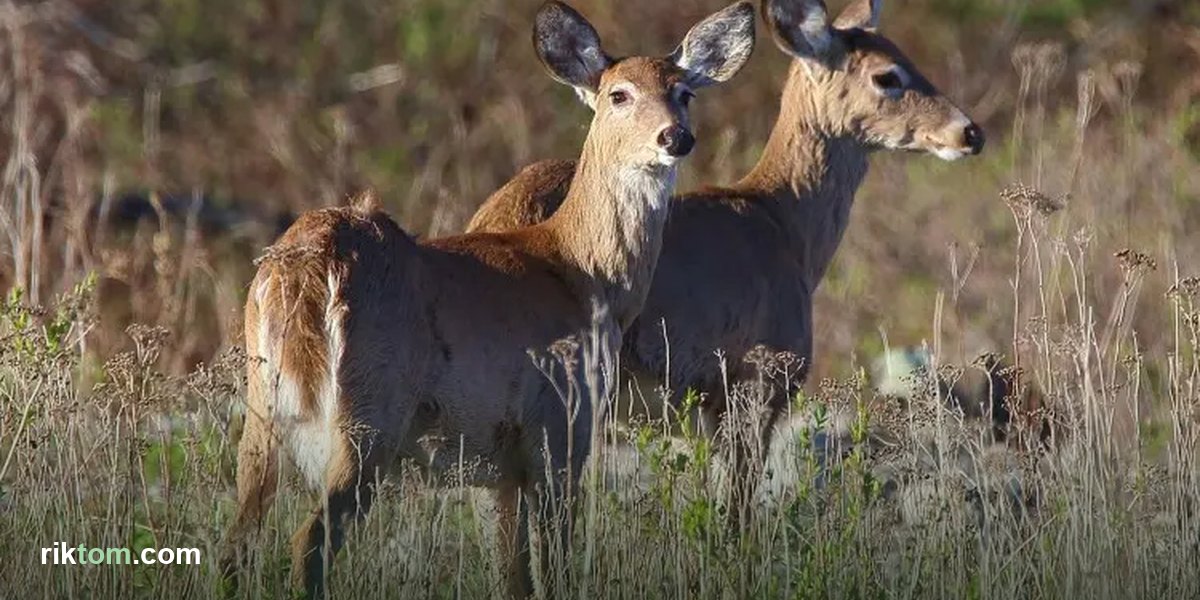
South Georgia is serious deer country. The Coastal Plain counties — Lowndes, Brooks, Echols, Berrien, Lanier, Clinch, and their neighbors — hold good populations of whitetail deer across a mix of pine plantation, agricultural land, river bottom hardwoods, and open fields. It's not trophy hunting country in the way that some states market themselves, but it's consistent, accessible, and rewarding for hunters who understand the local landscape and timing.
One of the most important things to understand about Georgia deer hunting — and something that catches out-of-state hunters off guard every year — is that the rut does not happen at the same time across the state. Peak breeding runs from roughly mid-October to late December depending on the county, and it is not a simple north-to-south gradient. Getting this right matters more than almost anything else when planning your best sits of the season.
Georgia Rut Timing, County by County
Georgia does not carve deer hunting into numbered "zones." Season dates and the bag limit are set statewide; what actually varies from place to place is the rut timing and the number of either-sex (antlerless) firearms days, which the DNR assigns county by county. (The only Northern/Central/Southern zone system in Georgia is for bear hunting, not deer.) The Georgia DNR publishes a county-by-county rut map built from UGA Deer Lab conception-date and deer-movement research — it's the single most useful planning tool of the season.
Contrary to a common assumption, the rut is not simply "later the farther south you go." The North Georgia mountains actually peak fairly late — mid-to-late November (Fannin and Union around November 17–23, Lumpkin and Rabun around November 24–30) — later than most of the deep-south Coastal Plain counties near Valdosta. The latest ruts of all are in the far southwestern corner of the state, where Seminole County doesn't peak until roughly December 22–28, but those counties sit well west of the Valdosta area. For the counties covered here, plan on a late-October-through-November peak. The wide, county-by-county variation traces to the genetics of the herds used to restock Georgia through the 20th century, when the deer population was rebuilt from a patchwork of source stock.
Here's the general rut breakdown for South Georgia counties:
- Ware, Clinch, Atkinson, Coffee: Peak rut roughly October 20–26 — the earliest of the local counties.
- Echols, Lanier, Bacon: Peak rut roughly October 27 – November 2.
- Lowndes, Berrien, Jeff Davis: Peak rut roughly November 3–9.
- Brooks, Cook, Colquitt, Tift: Peak rut roughly November 17–23.
- Thomas: Peak rut roughly November 24–30 — the latest of the counties covered here.
Check the Hunting Season Tracker for current season dates by county and species, and use Deer Radar to see today's solunar-based deer activity rating for your county — useful for planning your sits throughout the season, not just during the rut.
Season Dates and Bag Limits
Georgia's deer season structure has several components that hunters need to track separately:
- Archery season — typically opens in mid-September statewide. In South Georgia counties, this gives hunters a long head start before firearms season opens.
- Primitive weapons season — a statewide muzzleloader/primitive-weapons week (October 11–17 for the 2025–26 season) that falls just before firearms season opens.
- Firearms season — opens in mid-October (October 18 for 2025–26) and runs through January 11 statewide, extended to January 15 in nine far-southwest counties, so it covers the entire late-October-through-November rut.
The statewide bag limit is 12 deer per season — 2 antlered and 10 antlerless — though this is modified in some counties and on WMAs. Antler restrictions apply to buck harvest on certain public lands. Always verify current regulations in the Georgia DNR Hunting Regulations guide before your season, as dates and limits are updated annually.
Hunting Pressure and Public Land Access
Private land access is the norm for South Georgia deer hunting. The region has historically been dominated by large timber company holdings and private hunting clubs, meaning walk-in public access is more limited than in some other parts of the state. That said, there are options worth knowing:
Moody Forest Natural Area in Appling County offers managed public access with deer hunting on specific tracts. Alapaha WMA in Berrien County provides public hunting land with good deer populations. Big Hammock WMA in Tattnall County and Satilla WMA in Wayne and Brantley counties are larger public tracts worth the drive for hunters without private access.
WMA hunting requires a valid Georgia hunting license (plus a big game license for deer) — WMA access has been bundled with a hunting or fishing license since 2017, when Georgia eliminated the separate WMA license. Non-hunters who just want to access a WMA need a WRD Lands Pass ($30/year for residents). Some WMAs have quota hunts that require a separate application — check the Georgia DNR quota hunt system in late summer for the following season's opportunities.
Habitat and Stand Placement
South Georgia deer habitat is defined by the transition between pine plantation and hardwood draws. Deer use the pines for bedding cover and move into the hardwood drains, creek bottoms, and field edges to feed. In agricultural areas — which are common across Lowndes, Brooks, Thomas, and neighboring counties — deer key on standing corn and soybean fields well into the fall before those crops are harvested, then shift to winter food sources.
River bottom hardwoods along the Withlacoochee, Alapaha, and their tributaries concentrate deer during dry periods when the hard mast crop — acorns — is falling. White oak acorns are preferred and tend to drop first. Red oak acorns fall later and last longer on the ground. Finding a white oak flat near a bedding thicket is about as reliable a setup as exists in South Georgia deer hunting.
During the rut, doe movement dictates buck movement. Set up on travel corridors — creek crossings, fence gaps, field edges near thick cover — rather than isolated food sources. Scrapes and rubs are reliable indicators of buck presence during the pre-rut in October, but peak rut bucks can cover miles per day and won't necessarily return to the same scrape on a predictable schedule.
Using Solunar Data for Your Best Sits
Solunar theory — the idea that deer movement peaks at predictable times of day based on the positions of the sun and moon — has been used by hunters for decades. The science behind it is debated, but experienced South Georgia hunters generally agree that major and minor solunar periods correspond to increased deer activity often enough to be worth factoring into your sit selection.
The Deer Radar app calculates a daily activity rating for all 159 Georgia counties based on solunar data, time of year, and local rut timing. It's not a guarantee — nothing in hunting is — but it's a useful tool for deciding which days of your available hunting time are most likely to produce movement.
All else being equal, a cold front pushing through in early November during a major solunar period, during peak rut, on a property with fresh sign is about as good as South Georgia deer hunting gets.
Deer-Vehicle Collisions: A Real Hazard
South Georgia's deer population means significant collision risk on rural roads, particularly during the rut when bucks cover large distances day and night. Highways in Lowndes, Brooks, Echols, and neighboring counties see elevated deer-vehicle accident rates from October through December. If you're driving rural roads at dawn or dusk during deer season — whether hunting or not — slow down and watch the shoulders. The Deer Radar tool shows current collision risk ratings by county so you know when to be especially alert on the road.
Licenses and Hunter Education
All hunters born on or after January 1, 1961 must have a hunter education certificate to purchase a Georgia hunting license. The Georgia DNR offers both in-person and online hunter education courses. Annual hunting licenses are available from the Georgia DNR Wildlife Resources Division online portal or at sporting goods retailers. A Georgia hunting license plus a big game license covers deer hunting on private lands statewide.
The Hunting Season Tracker keeps current season dates, bag limits, and regulation summaries for all Georgia species — bookmark it at the start of each season so you're not hunting on memory from last year's rules.