Controlled Burning in South Georgia: How Landowners Improve Habitat, Cut Wildfire Risk, and Stay Legal
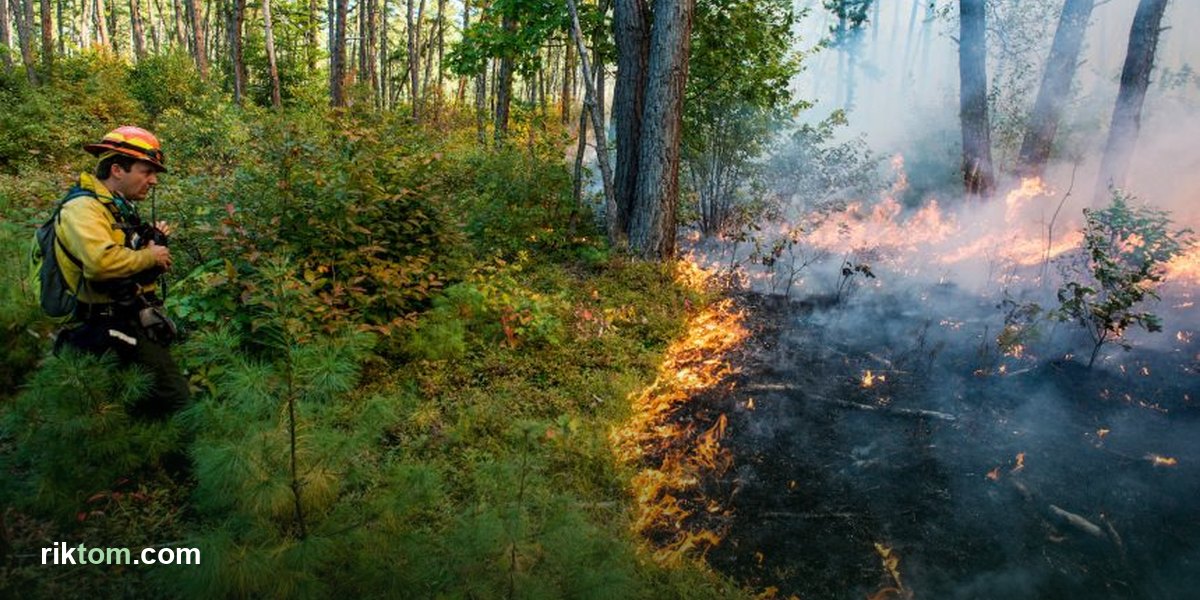
If you’ve driven the dirt roads around Lowndes County on a cool, still afternoon in late winter, you’ve seen it: a stand of planted pines black at the ankles, a low ribbon of smoke drifting across the road, and somebody standing in the ditch with a drip torch and a calm look on their face. Every year a few folks new to the area slow down, roll the window down, and ask the same thing — is that legal? Is something wrong?
Almost always, the answer is: that’s a controlled burn, it’s perfectly legal, and it’s about the best thing that can happen to that piece of ground.
Down here in the pine flatwoods, fire isn’t the enemy of the woods — it’s part of how the woods work. Let’s walk through why landowners burn, what it does for wildlife and wildfire risk, how to stay on the right side of Georgia law, and how to use a couple of free local tools to make smarter decisions before you ever strike a match.
Key Takeaways
- Controlled fire keeps South Georgia’s pine woods healthy — it builds habitat for deer, turkey, and quail while cutting wildfire risk.
- A broadcast land burn needs a free Georgia Forestry Commission permit (online at GaTrees.org or 1‑800‑GA‑TREES), gotten the morning of the burn.
- Lowndes County is not in Georgia’s 54‑county summer burn ban, so you can legally burn here in summer — with a permit and safe conditions.
- Never burn on a Red Flag / high-fire-danger day. Check the Burn Permit checker and Fire Watcher first.
Why fire belongs in our piney woods
The longleaf and slash-pine country of South Georgia evolved with fire. For thousands of years, lightning and Native Americans kept these woods open and grassy by burning them every few years. Take fire out, and the woods choke — hardwood brush and gallberry crowd in, the ground goes bare and shaded, and the pine stand turns into a fuel-loaded thicket that’s good for almost nothing.
Put low, controlled fire back on a regular schedule, and the opposite happens. The brush gets knocked back. Sunlight reaches the ground. Native grasses, legumes, and wildflowers (foresters call them “forbs”) come roaring back. That’s not just pretty — it’s groceries and cover for wildlife.
This isn’t fringe stuff, either. Georgians prescribe-burn roughly 1.4 million acres a year, among the most of any state in the country (Georgia DNR; Georgia Forestry Commission). And we live right next door to the place that wrote the book on it: Tall Timbers Research Station, in the Red Hills region south of Thomasville, is widely called the birthplace of modern prescribed-fire science (Tall Timbers). The people burning their pines around here are standing on about a century of research done in our own backyard.
What a good burn actually does for your land
Strip away the smoke and a prescribed burn does four things at once:
- Cuts wildfire risk. Fire’s fuel is dead needles, leaves, brush, and downed limbs. Burn it off on your terms — a cool day, a plowed firebreak, a crew standing by — and a stray cigarette or a dry-lightning strike in August has far less to feed on. A burned stand is a firebreak for your house and your neighbor’s.
- Builds wildlife habitat. Prescribed fire restores and maintains habitat for bobwhite quail, wild turkey, white-tailed deer, gopher tortoises, and even red-cockaded woodpeckers (Georgia DNR). It releases nutrients, triggers seeds to sprout, and pushes up tender new browse and brood cover.
- Improves the timber. Cleaner stands, less competition, and far lower odds of a catastrophic crown fire. Burning increases the yield and quality of browse whether you’re managing for wildlife or for pine.
- Boosts plant diversity. More grasses and flowering plants means more insects, which means more turkey poults and quail chicks getting fed. It all connects.
If you hunt, this is the part that should make you sit up. A two- or three-year-old burn is a deer-and-turkey magnet — the green-up after a fire is some of the most attractive browse on the property, and the open, grassy understory is exactly what turkey hens want for nesting and what quail need to survive. Frequent fire — every one to two years — is what keeps quail numbers healthy (Georgia DNR).
When (and how often) landowners burn
Most habitat burning down here happens in the dormant season — roughly December through early March — when the hardwoods are leafed off, the weather is cool, and the fire behaves. It’s the safest, most forgiving window, and it’s when you’ll see most of the smoke around the county.
Growing-season burns (late spring into summer) are a real tool too. They do a better job knocking back tough hardwood brush and can bump up groundcover diversity (Georgia Outdoor News). But they’re trickier — drier fuels, more heat, touchier smoke — so they’re best left to experienced hands or a hired crew.
As for how often: a one- to three-year rotation is the sweet spot for most South Georgia pine ground, leaning toward the shorter end if you’re managing hard for quail. Burn the whole place at once and you leave wildlife nowhere to go; burn it in blocks on a rotation and there’s always fresh green-up sitting right next to standing cover.
The legal side: permits, the burn ban, and staying right
Here’s the honest, practical version — this isn’t legal advice, and you should always confirm the current rules for your county and conditions, because both can change.
You need a permit. In Georgia, a broadcast burn over your woods or fields (the kind this whole article is about) requires a burn permit from the Georgia Forestry Commission. The good news: it’s free, and you get it the morning of your burn either online at GaTrees.org or by calling 1‑800‑GA‑TREES. The GFC checks the day’s weather and fire danger and either clears you to burn or tells you to wait.
One recent wrinkle worth knowing: Georgia no longer requires a permit for simple hand-piled yard debris (leaves and limbs only) — but agricultural, land-clearing, and broadcast burns still do (Georgia Forestry Commission). When in doubt, call. It costs nothing and it’s the difference between a legal burn and a liability.
The summer burn ban doesn’t reach us. Georgia runs a summer open-burning ban from May 1 to September 30 to cut down on ozone — but only in 54 mostly-metro and North Georgia counties (Georgia EPD). Lowndes County and our South Georgia neighbors are not on that list. So unlike folks around Atlanta, we can still burn in summer with a permit and the right conditions. That doesn’t mean you should on a bone-dry, windy August afternoon — but the option is legally there.
Rules vary locally. Some cities and counties layer on their own ordinances or notification requirements, and any county can land under a temporary burn ban during a drought. That’s the whole reason to check conditions before you commit.
Use the Burn Permit checker and Fire Watcher together
This is where two free riktom.com tools earn their keep — think of them as your five-minute gut check before you call the Forestry Commission.
- Start with the Burn Permit checker. It pulls the current outdoor-burn picture for our area into one place, so you can see at a glance whether today even looks like a burn day before you go any further.
- Cross-check Fire Watcher. This one tracks wildfire activity, drought, and fire-danger / Red Flag conditions for the region. A Red Flag Warning — low humidity, high wind, dry fuels — is a hard no on burning, full stop. Fire Watcher is how you see one coming.
- Then make the call to GFC. If both tools look green and the official fire-danger rating is low, get your free permit and go. If anything’s flashing, wait for a better day. The woods will still be there.
If you’d rather see weather, fire danger, and conditions all on one screen, the Outdoors Dashboard rolls them together.
Safe burning, the short version
The Georgia Forestry Commission boils safe burning down to S‑S‑T‑A‑R, and it’s worth memorizing:
- Space — keep at least 25 feet between your fire and the woods, and 50 feet from any structure.
- Time — start after 8:00 a.m. and have it dead out before dark. Most escapes happen at night when you can’t see what the fire is doing.
- Attendance — never walk off and leave it. Someone watches the fire the entire time.
- Reasonable precautions — plowed or disked firebreaks around the unit, water and hand tools on site, and a real plan for when the wind shifts.
A few more hard-won basics: don’t burn on a high fire-danger day (class 4 or 5), watch the wind and humidity (steady, light wind and decent humidity are your friends; gusty and dry are not), and tell your neighbors and the local fire department so nobody panics when they see smoke. And if your smoke could drift across a road like US‑41 or I‑75, that’s a genuine safety issue — plan your timing and wind direction so you’re never blinding drivers.
Common mistakes and misconceptions
- “Fire ruins the woods.” The single biggest myth. Low, controlled fire is how these woods stay healthy — it’s the absence of fire that turns a pine stand into a fire hazard and a wildlife desert.
- Burning on the wrong day. Too dry, too windy, no humidity — that’s how a “controlled” burn stops being controlled. Patience beats a free Saturday.
- Skipping the firebreak. A burn with no plowed line around it is a wildfire waiting for an excuse.
- Going it alone on a big or growing-season burn. If you’re not experienced, hire a certified prescribed-burn crew. It’s a lot cheaper than the alternative.
- Assuming you don’t need a permit. The yard-debris exemption confuses people. For an actual land burn, get the permit.
What it means at deer camp
Walk a property that’s been on a good burn rotation and you’ll feel the difference under your boots — open, grassy, easy to slip through, with browse at deer-nose height instead of a wall of gallberry. That green-up pulls deer, the bugs in the new growth feed the turkey poults, and the cover-and-opening mix is textbook quail country.
If you want to see how that habitat work shows up in the field, the Deer Collision Risk Radar and the Hunt & Fish Forecast are built to read local activity windows — handy when you’re deciding where and when to sit on ground you’ve been managing.
Share what you see — Field Reports
Burning is a neighborhood thing. When you spot a planned burn going up, smoke drifting toward a road, or a stand that greened up beautifully after a winter fire, drop a quick note on Field Reports. It helps the folks down the road tell the difference between routine smoke and an emergency, and it spreads the word on what good stewardship actually looks like around here.
Common Questions
Do I need a permit to burn my land in South Georgia?
For a broadcast burn of woods or fields, yes — a free permit from the Georgia Forestry Commission, gotten the day of online at GaTrees.org or by phone at 1‑800‑GA‑TREES. Simple hand-piled yard debris (leaves and limbs) no longer requires one, but the conditions still have to be safe.
Can I legally burn in the summer here?
Yes. Georgia’s May 1–September 30 burn ban only covers 54 mostly-metro and North Georgia counties, and Lowndes and our neighbors aren’t on the list (Georgia EPD). You still need a permit and safe conditions — and you should skip any dry, windy, high-fire-danger day.
When is the best time to do a habitat burn?
Most are done in the dormant season, December through early March, when it’s cool and the fire is easy to handle. Growing-season burns work too but are best left to experienced burners.
How often should I burn?
A one- to three-year rotation suits most South Georgia pine ground — every year or two if you’re managing hard for quail. Burn in blocks, not all at once, so wildlife always has cover nearby.
It’s a Red Flag day — can I still burn?
No. A Red Flag Warning means low humidity, high wind, and dry fuels — exactly the recipe for an escaped fire. Check Fire Watcher first and wait it out.
The Bottom Line
Controlled burning is one of those rare things that’s good for the woods, good for wildlife, good for your timber, and good for cutting wildfire risk — all at the same time. It’s also a responsibility: a permit, the right weather, a firebreak, and a watchful eye are non-negotiable.
So before your next burn, take five minutes with the free Burn Permit checker and Fire Watcher, get your free permit from the Forestry Commission, and pick a calm day. Share your burns and observations on Field Reports so the whole neighborhood stays in the loop. And the next time you pass a landowner standing in the ditch with a drip torch — give a wave. That’s somebody taking care of a piece of South Georgia the way it’s been cared for a very long time.